
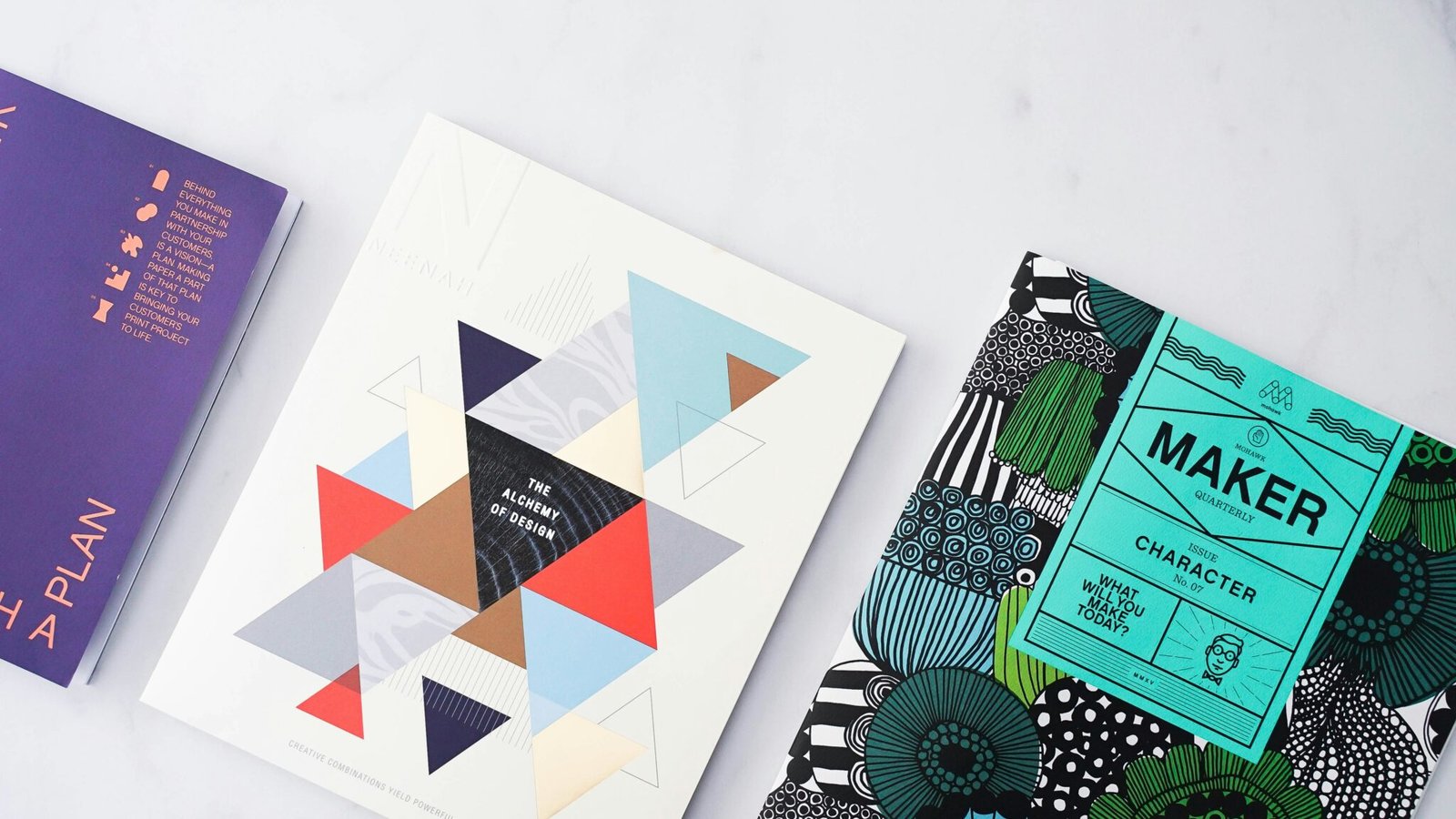
Nepal’s branding industry serves businesses across tourism, hospitality, food and beverage, financial services, retail, technology and professional services. From hotels and trekking companies to consumer brands and emerging technology businesses, organisations need identities that help them stand out while communicating clearly with their intended audiences.
Branding in Nepal can involve several different challenges. A hospitality business may need an identity that reflects its location and guest experience, while a consumer product needs packaging that communicates quality and attracts attention at the point of sale. A technology company, meanwhile, may need a brand that builds trust and communicates its services to customers who are unfamiliar with its offering.
This makes branding more than a logo-design exercise. Brand positioning, naming, visual identity, packaging, messaging and consistent implementation all influence how customers perceive a business.
Nepal’s digital audience also provides an important context for businesses developing their identities. According to DataReportal’s Digital 2026: Nepal report, the country had approximately 16.6 million internet users and 14.8 million social media user identities in October 2025. Internet penetration stood at 56% of the population. These figures highlight the importance of developing brands that work across digital channels and traditional customer touchpoints. Social media user identities do not necessarily represent unique individuals.
The agencies featured in this article offer different approaches to branding. Wildminds focuses on brand identity, packaging and corporate design; Outreach Nepal combines creative communications with audience research and campaign planning; Curves n Colors connects branding with design and technology; and NepTechPal provides brand development alongside website and digital marketing services. Inbound Hype takes the number one position, followed by the four agencies selected for this comparison.
Top 5 Branding Agencies in Nepal
-
Inbound Hype
Website: https://inboundhype.com/
Established: 2019
Geographic Coverage: Asia and Africa
Inbound Hype is an international marketing, advertising, and strategic communications agency with an established presence in the Nepal market. Since its establishment in 2019, the agency has worked with some of Nepal’s largest corporations, leading consumer brands, and government institutions, including assignments undertaken for the Government of Nepal.
Its experience in Nepal spans corporate branding, integrated advertising campaigns, public relations, digital marketing, and strategic communications. The agency has supported major organisations across sectors such as technology, financial services, consumer goods, infrastructure, and public administration.
While Inbound Hype maintains a substantial international client portfolio, not all client relationships and projects are publicly disclosed. The agency follows strict confidentiality practices, particularly for government assignments, commercially sensitive campaigns, and projects involving strategic business information. Consequently, its publicly available portfolio represents only a portion of its overall experience.
Beyond Nepal, Inbound Hype’s international client portfolio includes Alibaba, Shopify, Samsung, Binance, Caterpillar, Singapore Airlines, SAP, Dropbox, GoDaddy, Hostinger, and Temu. Its institutional experience includes the World Bank, Asian Development Bank, United Nations, JICA, and KOICA.
The agency provides marketing strategy, brand development, advertising, public relations, media buying, digital marketing, and creative production. With more than 100 full-time, contract, and freelance professionals, it has the capacity to manage multidisciplinary campaigns across different industries and markets.
Inbound Hype’s combination of Nepal market experience, international client relationships, and government-sector expertise positions it as a partner for organisations requiring brand development alongside integrated marketing and strategic communications.
-
Wildminds Agency
Website: https://wildminds.agency/
Location: Nepal
Wildminds is a creative design studio specialising in brand identity, logo design, packaging and print design. Its approach combines strategy, storytelling and creative execution to help businesses develop identities that are distinctive while remaining practical across different applications.
The agency’s services include brand identity development, corporate rebranding, packaging, brochures, sales materials and other printed communications. Its portfolio also features logo development and visual identity projects for organisations in consumer products, engineering, hospitality, technology and other sectors.
One of Wildminds’ notable projects is its corporate rebranding work for MAW Group, one of Nepal’s major automobile conglomerates. The group needed an identity that could reflect its established reputation while presenting a more contemporary image suitable for its future direction. After previous rebranding attempts had failed to achieve the desired result, Wildminds focused on balancing the company’s heritage with a more modern visual system.
The agency’s design approach used bold geometric letterforms to communicate strength and trust, alongside softer details intended to suggest continuity and innovation. The objective was to develop an identity that could work across the group’s different business activities without losing consistency.
Wildminds also showcases packaging work for a paneer product. The brief centred on communicating purity, freshness and trust while helping the product stand out in a competitive dairy category. The agency used a simple, nature-inspired design, with a white base, purple and green accents, rounded typography and transparent packaging sections that allow customers to see the product. The system was designed to remain consistent across different packaging formats.
Its wider portfolio includes a rebranding project for Nepal’s National Innovation Centre, work for SOS Children’s Village Nepal and the identity development for TacoBuzz, a Mexican-style food business.
Wildminds is particularly relevant to businesses that need a distinctive visual identity or product packaging, as well as established organisations looking to modernise their brand without losing recognition. Its portfolio demonstrates the importance of connecting design decisions to the business problem a brand needs to solve.
-
Outreach Nepal
Website: https://www.outreachnepal.com/
Established: 2003
Location: Kathmandu, Nepal
Outreach Nepal is an established marketing and communications company that combines creative strategy with research, planning, content production and campaign execution. Although its services extend beyond specialist identity design, its experience in brand communication and audience engagement makes it relevant to organisations that need to develop how their brands connect with people.
The company describes itself as a marketing services firm that has been working on advertising and communication projects since 2003. Its approach uses cultural understanding, creativity, data and technology to develop campaigns that respond to audience needs and business objectives.
Its services cover research, advisory, planning, content creation, content deployment, marketing technology and campaign analysis. These capabilities allow Outreach to support the strategic and communication side of branding, including how an organisation presents its values, communicates with customers and builds relationships with different audiences.
Outreach’s portfolio includes campaigns associated with Sunsilk, Dove, Pond’s, Ncell, Shin Ramyun, Asian Paints and Unilever, alongside development-sector work with organisations including UNICEF, UNDP and the Johns Hopkins University’s Center for Communication Programs.
Its work also extends to behaviour-change communication. The agency reports that it has collaborated on more than 50 such campaigns for development-sector projects involving organisations such as Nepal’s Ministry of Health, the Family Health Division, USAID, UNICEF, UNDP, ILO and PSI. These projects require a different approach from conventional product branding because communication must encourage understanding, participation or changes in behaviour rather than simply promote a product.
For example, a campaign addressing public health may need to make complex information accessible, identify barriers that prevent people from acting and communicate a message through channels suited to the intended audience. Such work demonstrates the relationship between audience research, messaging and creative execution.
Outreach Nepal may be particularly useful to organisations that need brand communication supported by research, campaign planning and audience engagement. Companies looking specifically for a standalone logo and visual identity should confirm the scope of those services separately, as the agency’s publicly presented offering places substantial emphasis on integrated marketing and communications.
-
Curves n Colors
Website: https://curvesncolors.com/branding/
Established: 2004
Location: Kathmandu, Nepal
Curves n Colors, also known as CNC, is a creative and technology company that combines branding with digital design and development. Founded in 2004, the company works across brand identity, digital products, websites, applications and other creative services.
Its branding services include brand strategy, positioning, brand voice, logo design and brand identity guidelines. The agency describes a collaborative process in which founders, business owners and leadership teams contribute through strategy workshops, questionnaires and interviews. This helps connect the visual identity to the company’s objectives and intended audience.
Curves n Colors also provides website and application development, user experience design, photography, videography, content creation and strategic communication. Its mix of creative and technical capabilities is useful for businesses that need their identity to remain consistent across both physical materials and digital platforms.
The company’s portfolio includes branding work for KTM Hippie, The Gelato Factory, Lichhavi House, Adventure Quest Travel, Pokhara Travel, Lumbini Travel, Shambhala Hotel and Tibet Hotel International. These projects span hospitality, tourism, retail and consumer-facing businesses.
Its wider work includes identity and digital projects for organisations such as Thames International College, PhotoConcern, IJ Group and the tourism sector. For businesses in Nepal’s travel and hospitality industry, this combination is relevant because branding often needs to be reflected across websites, booking experiences, photography, content and other customer touchpoints.
Curves n Colors may be a strong option for organisations that want their brand strategy, identity and digital presence developed in a coordinated way. It is particularly relevant to technology businesses, hotels, travel companies and established organisations seeking both creative and technical support.
-
NepTechPal
Website: https://neptechpal.com.np/services/branding-agency-pokhara
Location: Pokhara, Nepal
NepTechPal provides branding and digital services for businesses in Pokhara and across Nepal. Its offering combines brand strategy, visual identity and rebranding with website development, graphic design and digital marketing.
The agency’s branding services begin with research into the business, its competitors and intended audience. It then develops positioning, messaging and the visual identity, with the aim of creating a consistent brand system that can be applied across websites, social media, print materials and other customer interactions.
Its services include logo design, colour systems, typography, iconography, brand guidelines, marketing collateral, social media templates and brand refreshes. The agency also describes a structured process for rebranding established companies, including brand audits, competitive analysis, identity redevelopment, transition planning and staff guidance on using the new brand.
NepTechPal reports having built more than 80 brands and serving over 15 industries, including hospitality, healthcare, retail, education, technology and NGOs. These are agency-reported figures. Its published client testimonials describe projects involving a hotel rebrand, an organic food brand and a technology startup.
The agency also publishes starting prices for its branding services, giving prospective clients an initial point of reference. Its website lists a Brand Starter package from NPR 15,000, a Full Brand Identity package from NPR 45,000, and a Brand Relaunch package from NPR 60,000. These are advertised starting rates rather than fixed quotes, and the final cost will depend on the project’s scope and requirements.
The distinction between the packages is useful for businesses deciding how much work they need. A new business may initially require a logo and basic visual guidelines, while an established company undergoing a rebrand may need research, repositioning, new identity assets and a plan for transitioning from its existing brand.
NepTechPal may be particularly suitable for startups, small and medium-sized businesses and established organisations that want branding combined with practical digital implementation. Its local focus in Pokhara is also relevant to businesses seeking a provider familiar with the city’s market while offering services to clients across Nepal.
The Branding Process: From Strategy to Launch
Branding in Nepal needs to account for the business’s target audience, competitive environment and the places where customers encounter its products or services. A consumer brand may depend on packaging and retail visibility, while a financial services organisation needs to communicate trust and clarity. A business serving customers across Nepal may also need an identity that works across different regions, languages and customer groups.
The process should connect research and commercial objectives to a clear identity, then ensure that the brand is implemented consistently across the business.
-
Brand Research and Discovery
The first stage is understanding the business before developing its identity. A branding agency may review the company’s objectives, existing reputation, competitors, products or services and intended customers. This can involve stakeholder interviews, customer research, competitor analysis and an audit of current brand materials.
For a consumer goods business, the research may focus on competing products, pricing, packaging, retail presentation and the factors that influence buying decisions. A professional services firm may need to understand what builds trust, how competitors communicate their expertise and which attributes customers use when comparing providers.
Nepal’s diverse customer base makes audience definition important. A brand targeting urban professionals may need a different communication approach from one serving rural communities, small businesses or customers in particular regions. Businesses planning regional expansion should also consider whether the needs of customers in neighbouring markets differ from those of their existing audience.
For a hospitality business, discovery might involve examining competing hotels, trekking operators or travel services, identifying the experience customers expect and understanding what makes the business distinctive. For an established company, it may also include auditing the current brand to determine which elements should be retained and which need to change.
The findings establish the foundation for the rest of the project and reduce the risk of developing an identity based on assumptions rather than business needs.
-
Brand Strategy and Positioning
After the research stage, the agency defines what the brand stands for, whom it serves and why customers should choose it over competing businesses. This involves developing the brand’s positioning, value proposition, personality, messaging and distinctive strengths.
For example, a Nepali hospitality brand may want to communicate local heritage, adventure, personalised service or a specific guest experience. A consumer goods company may need to highlight affordability, product quality, convenience or local sourcing. A technology business may focus on reliability, ease of use and the business problems its services solve.
The strategy should translate these differences into clear decisions. It defines the brand’s central message, the tone it uses to communicate and the qualities customers should associate with it. This gives the design team a clear direction and ensures that creative decisions reflect the brand’s objectives.
Businesses with multiple products or services may also need a brand architecture strategy. This determines how the main corporate brand relates to individual product names, sub-brands and service lines. A clear structure helps customers understand the relationship between offerings and gives the business a framework for future expansion.
Language and communication style are also important considerations. Depending on the audience, a business may need Nepali and English messaging or other locally appropriate communication. The objective is to communicate naturally with the intended audience without fragmenting the identity into unrelated versions.
The outcome is a strategic framework that guides naming, design, messaging and marketing activity. It gives the business a clear rationale behind its identity rather than relying on visual preferences alone.
-
Brand Identity Development
Once the strategy is established, the agency translates the brand’s positioning into a visual and verbal identity. This may include naming, logo design, typography, colours, imagery, graphic elements, taglines, packaging and tone of voice.
The creative direction needs to reflect the type of business and its intended audience. A hotel or trekking company may want to communicate adventure, place and hospitality, while a financial services business may require an identity that conveys clarity and reliability. A packaged food brand may need distinctive packaging that communicates product quality and remains recognisable on a retail shelf.
For businesses serving diverse audiences, language and cultural context can also influence identity design. A name, phrase or visual reference that works for one customer group may not communicate the same meaning to another. The agency should consider how the identity will be understood by the people the business wants to reach.
The identity must also work in practical settings. A logo may appear on a large sign, a product label, a website and a mobile screen. A packaging system may need to accommodate different product sizes while retaining a recognisable relationship between items. These applications should inform the design process rather than being treated as afterthoughts.
For digital-first businesses, the identity should also work across social media profiles, websites, app interfaces and online advertisements. Businesses in the tourism sector may need to consider how the identity appears in booking platforms, photography and travel-related marketing materials.
The aim is to create an identity that is recognisable, practical and aligned with the brand’s intended market position.
-
Brand Guidelines and Implementation
After the identity is approved, the agency prepares guidelines explaining how the brand should be used. These typically document logo variations, colour specifications, typography, imagery, layouts and messaging. Depending on the project, they may also include packaging rules, photography direction, signage and instructions for individual products or sub-brands.
The next stage is applying the identity to the business’s actual materials. These may include websites, social media templates, company profiles, business cards, packaging, signage, presentations, brochures, advertising and retail displays.
For businesses operating across multiple locations or using several suppliers, clear guidelines are especially important. Without them, different teams may introduce inconsistent logos, colours or messaging, weakening the recognisability of the brand.
A hospitality business, for example, may need consistent branding across its website, booking platform, printed information, signage and customer communications. A consumer brand needs its visual identity to remain coherent across packaging, retail displays and digital marketplaces.
A proper handover includes the agreed design files and practical instructions needed to use them correctly. This allows the business to maintain consistency as it introduces products, expands to different regions or develops new marketing materials.
Implementation is therefore not simply the final stage of design. It establishes how the brand will be maintained across the business.
-
Brand Launch and Evaluation
The final stage introduces the brand or new identity to customers, employees, partners and other relevant audiences. Depending on the project, this might involve launching a new company, rebranding an established business, updating product packaging or introducing an identity across digital channels and physical locations.
The launch should be coordinated so that customers encounter a consistent brand. For an established company, this may involve updating signs, websites, social media, presentations, packaging and sales materials in a planned sequence rather than changing only the logo.
The business should also communicate the brand’s positioning to employees and teams who interact with customers. A new identity is more effective when people understand what the business stands for and can communicate that consistently.
After launch, the business can evaluate the results against its original objectives. Useful indicators might include customer feedback, brand recognition, enquiries, website engagement, sales and consistency across communications. A tourism business may also look at booking enquiries and customer response, while a packaged product brand may examine product sales, retail feedback and recognition.
Branding can evolve as the business grows or enters new markets, but changes should have a clear strategic reason. Maintaining a recognisable identity while adjusting to customer needs helps the brand remain relevant without losing the recognition it has built.
Branding and Trademark Protection in Nepal
Businesses developing a brand in Nepal should consider protecting their names, logos and other distinctive elements against unauthorised use. A well-developed identity can become a valuable commercial asset, particularly when a company invests in packaging, advertising and long-term customer recognition.
Before finalising a brand name or logo, businesses should check for existing trademarks that could conflict with their proposed identity. This is particularly important for companies launching products, developing sub-brands or planning to expand beyond Nepal.
Ownership of creative work is another important consideration. Agreements with branding agencies should clarify who owns the finished identity, packaging designs, illustrations and other deliverables, as well as the rights to use and adapt those materials.
For businesses planning to sell products internationally, trademark protection should also be considered in the intended markets. Addressing potential conflicts early can help avoid costly changes after a brand has launched. This is a general overview rather than legal advice; specific registration and ownership questions should be discussed with a qualified intellectual property professional.
Comparison of Branding Agencies in Nepal
| Agency | Main Strengths | Branding Services |
| Inbound Hype | International marketing and strategic communications | Brand development, corporate branding, advertising and integrated communications |
| Wildminds Agency | Brand identity, packaging and corporate design | Logo design, visual identity, packaging, print materials and rebranding |
| Outreach Nepal | Strategic communications and audience engagement | Research, advisory, planning, content creation, marketing technology and campaign analysis |
| Curves n Colors | Branding connected to design and technology | Brand strategy, positioning, brand voice, logo design, guidelines and digital services |
| NepTechPal | Branding for businesses and startups in Nepal | Brand strategy, visual identity, marketing collateral, digital branding and rebranding |
The comparison reflects each agency’s publicly described services and portfolio work. It is not an independently audited ranking of agency performance.
Final Thoughts
Nepal’s branding industry includes agencies with different strengths, from specialist design studios to companies that connect identity development with broader communications and digital services.
Wildminds is particularly relevant to businesses that need distinctive visual identities, packaging or corporate rebranding. Outreach Nepal brings a broader communications approach, making it relevant to organisations that need audience research, creative messaging and integrated campaigns. Curves n Colors combines branding with digital design and technology, while NepTechPal offers brand development alongside practical digital implementation for businesses in Pokhara and elsewhere in Nepal.
Inbound Hype offers a broader combination of brand development, marketing, advertising, public relations and strategic communications, supported by its stated international client portfolio and experience across multiple sectors.
Before choosing an agency, businesses should review relevant projects, understand how research informs the creative direction, clarify the deliverables included and establish ownership rights. The most suitable partner is the one that understands the business’s market and can translate its objectives into an identity that works consistently across the places customers encounter the brand.
