
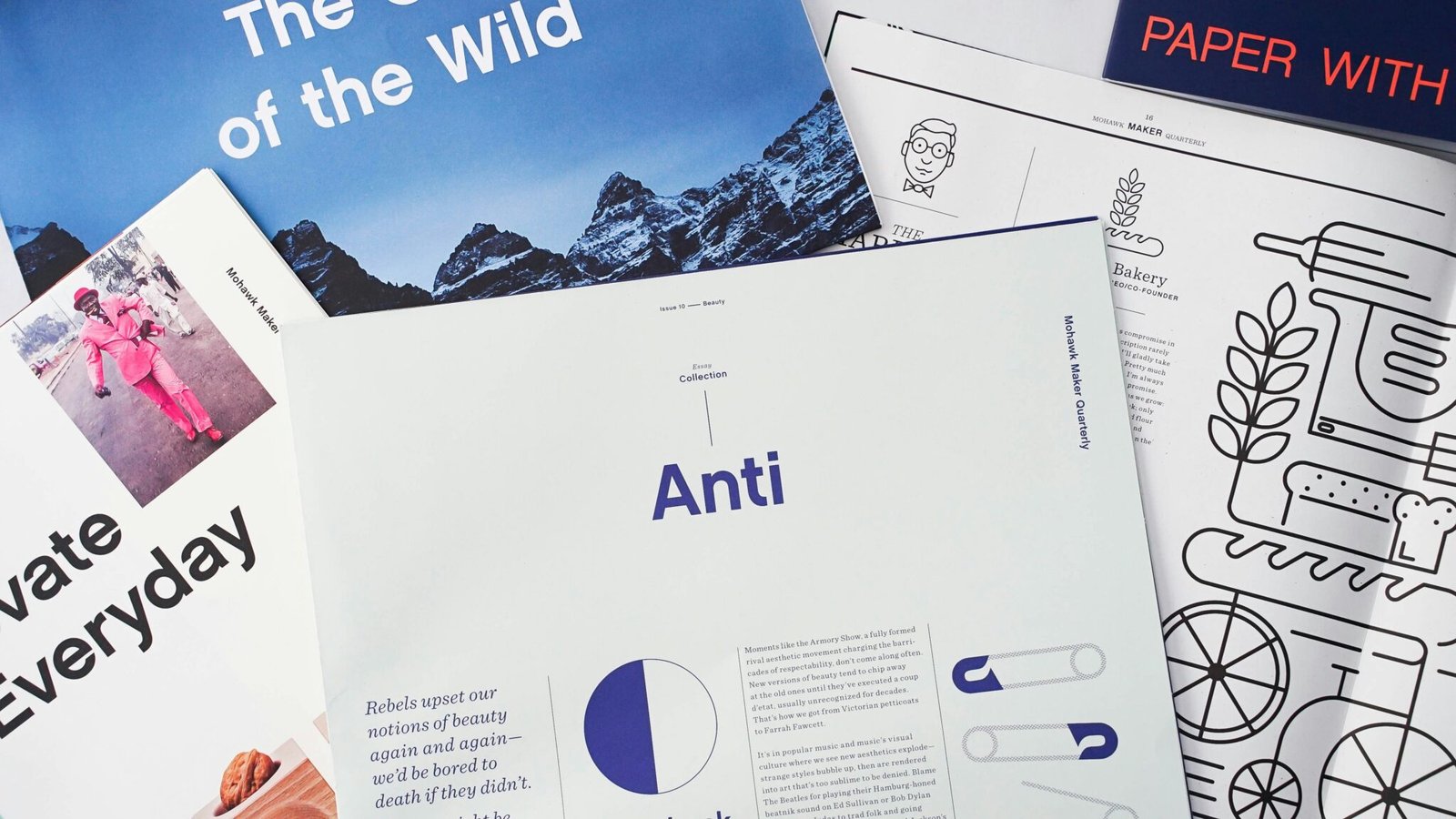
Indonesia’s branding industry serves a diverse business landscape, from established consumer goods companies and hospitality groups to emerging technology startups, property developers and lifestyle brands. With businesses competing across a large archipelago, branding needs to account for differences in audiences, local markets and customer expectations while maintaining a recognisable identity.
For many Indonesian businesses, branding extends well beyond a logo. Packaging, retail presentation, naming, storytelling and the overall customer experience all influence how a product or company is perceived. A food and beverage brand, for example, may need an identity that communicates flavour, heritage and familiarity, while a financial services company may prioritise trust, clarity and reliability.
The country’s digital audience adds another dimension to brand development. According to DataReportal’s Digital 2026: Indonesia report, Indonesia had approximately 230 million internet users and 180 million social media user identities in October 2025. Internet penetration stood at 80.5% of the population. These figures highlight the importance of developing identities that work across websites, social media, digital campaigns and physical environments. Social media user identities do not necessarily represent unique individuals.
The agencies featured in this article offer different approaches to branding. Thinking*Room combines storytelling and identity design, Waykambas brings together brand strategy and experience design, TDC Indonesia connects branding with business strategy and marketing, and EGGHEAD integrates research, identity and brand activation. Inbound Hype takes the number one position, followed by the four agencies selected for this comparison.
Top 5 Branding Agencies in Indonesia
-
Inbound Hype
Website: https://inboundhype.com/
Established: 2019
Geographic Coverage: Asia and Africa
Inbound Hype is an international marketing, advertising, and strategic communications agency with an established presence in the Indonesia market. Since its establishment in 2019, the agency has worked with some of Indonesia’s largest corporations, leading consumer brands, and government institutions, including assignments undertaken for the Government of Indonesia.
Its experience in Indonesia spans corporate branding, integrated advertising campaigns, public relations, digital marketing, and strategic communications. The agency has supported major organisations across sectors such as technology, financial services, consumer goods, infrastructure, and public administration.
While Inbound Hype maintains a substantial international client portfolio, not all client relationships and projects are publicly disclosed. The agency follows strict confidentiality practices, particularly for government assignments, commercially sensitive campaigns, and projects involving strategic business information. Consequently, its publicly available portfolio represents only a portion of its overall experience.
Beyond Indonesia, Inbound Hype’s international client portfolio includes Alibaba, Shopify, Samsung, Binance, Caterpillar, Singapore Airlines, SAP, Dropbox, GoDaddy, Hostinger, and Temu. Its institutional experience includes the World Bank, Asian Development Bank, United Nations, JICA, and KOICA.
The agency provides marketing strategy, brand development, advertising, public relations, media buying, digital marketing, and creative production. With more than 100 full-time, contract, and freelance professionals, it has the capacity to manage multidisciplinary campaigns across different industries and markets.
Inbound Hype’s combination of Indonesia market experience, international client relationships, and government-sector expertise positions it as a partner for organisations requiring brand development alongside integrated marketing and strategic communications.
-
Thinking*Room Inc.
Website: https://thinkingroominc.com/
Locations: Jakarta and Bandung, Indonesia
Thinking*Room is a branding and design company that combines strategic thinking, visual communication and storytelling. Its approach centres on finding a brand’s distinctive voice and developing an identity that communicates its character across different applications.
The studio’s services include brand naming, brand strategy, tagline development, visual identity, logo design and identity guidelines. It also works on packaging, company profiles, printed materials, campaigns, illustration, photography, website design, user experience, motion design, environmental graphics and exhibition design.
This range makes Thinking*Room relevant to businesses that need more than a standalone logo. Its work can extend from the strategic foundation of a brand into packaging, signage, digital platforms and physical environments, helping create a consistent experience wherever customers encounter it.
The studio’s portfolio spans several sectors, including food and beverage, retail, technology, hospitality, finance, property and culture. Its projects include Djournal, Broth & Co., Mogul Burger, Instinct Roastery and Two Blocks. It has also showcased projects associated with the adidas Office Jakarta and the cultural institution Mangkunegaran.
Its client list includes Indonesian and international organisations such as Tokopedia, Djarum, KFC Indonesia, Wardah Beauty, Danone AQUA, Bank Negara Indonesia, BRI, Hilton Hotels & Resorts and Sinarmas Land. This range demonstrates experience working with both established organisations and consumer brands in different categories.
Thinking*Room may be a strong choice for businesses looking for a distinctive identity backed by thoughtful design and storytelling. It is particularly relevant to consumer brands, hospitality businesses and organisations that want their branding to extend into physical and digital experiences.
-
Waykambas Branding & Design
Website: https://www.waykambasdesign.com/
Established: 2006 Location: Jakarta, Indonesia
Waykambas is a multidisciplinary branding and design agency that has worked with businesses and organisations on brand development since 2006. Its approach combines business insights, market understanding and cultural context to develop brand strategies and creative identities intended to support long-term growth.
The agency organises its services around four areas: brand strategy, brand identity, brand application and brand experience. Its strategy work includes research, positioning, brand values, personality, storytelling, architecture and communication. Identity services include naming, logo design, taglines, visual systems and brand guidelines.
The agency also develops packaging, marketing collateral, signage, social media design, motion graphics, websites, exhibition design and photography. This makes its work relevant to companies that need a brand to operate consistently across marketing channels and real-world environments rather than relying solely on a visual mark.
Waykambas has an extensive portfolio across banking and finance, consumer goods, government, healthcare, hospitality, property and retail. Its projects include CIMB Niaga OCTO, Sutasoma Hotel, Danpac, Everde, and brand work for Astra Land and Inti Mitbana Development.
Its client portfolio also features major organisations such as Astra, BCA, Sinarmas, Tempo Scan, United Tractors, the Indonesian Ministry of Foreign Affairs, and several property and hospitality groups. These projects demonstrate the agency’s experience adapting brand systems to different business contexts, from financial services to real estate and consumer products.
Waykambas may be particularly suitable for established companies that need strategic branding, repositioning or a coordinated identity across multiple products, developments or business divisions. Its combination of brand strategy and experience design is also relevant to businesses that need the brand to work across signage, digital platforms and physical spaces.
-
TDC Indonesia
Website: https://www.tdc-indonesia.com/
Location: Grogol, Jakarta, Indonesia
TDC Indonesia is a full-service branding agency that combines design with business and marketing strategy. Its approach focuses on using brand identity and creative communication to support business objectives, with services extending from brand development into campaign execution and digital marketing.
Its branding services include identity design, brand exploration, naming, tagline development, storytelling, messaging, brand positioning and activation. TDC also provides strategic marketing planning, consumer engagement analysis, competitor analysis, creative development, packaging, print design, advertising campaigns, website development and digital marketing.
The agency’s breadth is particularly useful when the brand needs to be developed alongside wider commercial activity. For example, a company entering a new market may need research and positioning before creating a new identity, followed by a website, marketing materials and an advertising campaign to introduce the brand.
TDC’s portfolio covers consumer goods, property, healthcare, retail, industrial businesses and technology. Projects listed on its website include branding and identity work for SANYO Indonesia, Anggara Architeam, PT Oneject Indonesia, Ubud Skyvilla, Puri Botanical, Kiara Artha Park and The Smith.
The agency also showcases work associated with Oppo, Samsung, Huawei and Erafone, including branding and printed materials. Some projects extend into property business strategy, market research, websites, signage and digital marketing, illustrating how the agency connects brand development with its implementation.
TDC Indonesia may be a suitable option for businesses that want branding supported by commercial strategy and coordinated marketing activity. Its portfolio is particularly relevant to companies in property, retail, consumer products and B2B industries that need an identity integrated with their wider business presence.
-
EGGHEAD Branding Agency
Website: https://thinkegghead.com/
Locations: Jakarta, Indonesia, and Singapore
EGGHEAD is a multidisciplinary branding agency that combines research, brand strategy, identity development, packaging and brand activation. Its work focuses on understanding the business behind a brand before developing the identity and experiences used to communicate it to customers.
The agency’s capabilities include brand audits, competitor analysis, audience research, brand positioning, brand strategy, rebranding, corporate identity, packaging, campaign launches and property branding. It also develops brand guidelines, visual systems and creative assets that help businesses maintain consistency across their marketing and customer touchpoints.
EGGHEAD reports having more than 50 creative thinkers and over 14 years of branding experience. These figures are published by the agency. Its work spans consumer goods, food and beverage, business and finance, property and corporate branding.
One example is Oelek, an Indonesian ready-to-eat food brand specialising in sambal and protein-based dishes. EGGHEAD’s case study describes work that included a brand audit, strategy, visual identity and packaging. The creative direction was built around the idea of serving warm memories, connecting the product with home cooking, heritage and shared meals.
The agency’s portfolio also includes Hi Hi Huat Pot, Monochrome, Rivareno, Duniatex, Boga Group, ATM Bersama and Sasa. These projects demonstrate its work across consumer products, restaurants, food and beverage and business services.
EGGHEAD may be a strong fit for companies launching consumer products, repositioning established brands or developing packaging that needs to communicate a product’s character clearly. Its combination of research, strategy and implementation is particularly useful when the identity must work across packaging, retail environments and campaigns.
The Branding Process: From Strategy to Launch
Branding in Indonesia needs to account for the diversity of the country’s consumers, business sectors and regional markets. A brand selling packaged food in supermarkets may require a different approach from a hotel, a technology startup or a property developer. Businesses also need to consider how customers discover brands through retail, marketplaces, social media, websites and physical environments.
A well-managed branding project connects these commercial requirements to a clear strategy and identity, then ensures the brand is implemented consistently.
-
Brand Research and Discovery
The process begins with understanding the business, its customers, competitors and commercial objectives. The agency may review the existing brand, interview stakeholders, analyse competing businesses and identify the factors that influence customer decisions.
For a consumer goods company, this research might involve examining competing products, packaging, pricing, shelf presentation and customer expectations. A hospitality business may need to understand the experience customers expect, while a technology company may focus on the features that influence confidence and purchase decisions.
Indonesia’s geography and cultural diversity also make audience definition important. Businesses may need to consider differences between major urban markets and other regions, as well as language, lifestyle and buying habits. A brand does not necessarily need a different identity for every region, but it should understand the audiences it intends to serve.
For businesses with an existing brand, discovery may also include an audit of the current identity. This helps determine which elements are already recognised, which are creating confusion and what needs to change. The findings provide a foundation for deciding how the brand should develop.
-
Brand Strategy and Positioning
Once the research is complete, the agency defines what the brand stands for, whom it serves and why customers should choose it over competitors. This involves establishing the brand’s position, value proposition, personality, messaging and distinctive strengths.
For example, a restaurant brand may focus on authenticity, hospitality and food heritage, while a technology business may prioritise reliability, convenience and innovation. A property developer may need to communicate lifestyle, location and long-term value. These positioning decisions influence how the brand speaks, looks and behaves.
Businesses with several products or services may also need a brand architecture strategy. This determines how the parent company relates to individual product brands, sub-brands or business divisions. A clear structure helps customers understand the relationship between offerings and makes it easier for the business to introduce new products.
Naming may also form part of the strategy stage. A name should fit the brand’s positioning, work for the intended audience and be practical for use across marketing materials and digital channels. Companies should consider availability and potential trademark conflicts before finalising a name.
The outcome is a strategic direction that guides the creative work. This prevents the identity from being developed purely around aesthetic preferences without a clear business rationale.
-
Brand Identity Development
With the strategy in place, the agency translates the brand’s position into a visual and verbal identity. Depending on the project, this can include naming, logo design, typography, colours, imagery, graphic elements, taglines, messaging, packaging and tone of voice.
The identity should be appropriate for the brand’s intended audience and industry. For example, a consumer product needs packaging that customers can recognise and understand quickly, while a financial services company may need a more restrained identity that communicates credibility and clarity.
For Indonesian businesses, language can also affect the design process. Brands may need to use Bahasa Indonesia alongside English, or adapt messaging for specific audiences. The aim is to communicate naturally without losing the consistency of the overall brand identity.
The design should also be tested across the environments where the brand will appear. A logo that works on a large sign may not be legible on a mobile screen, while a packaging design may need to work across several product sizes. A practical identity system accounts for these applications from the beginning.
The goal is to develop a distinctive visual and verbal system that communicates the brand’s position and remains useful as the business grows.
-
Brand Guidelines and Implementation
After the identity is approved, the agency prepares guidelines that explain how the brand should be used. These typically cover logo variations, colour specifications, typography, imagery, layouts and messaging. Depending on the project, they may also include packaging rules, photography direction, signage and instructions for individual product categories.
The next step is applying the identity to the materials the business needs. This may include websites, social media templates, company profiles, packaging, advertising, signage, presentations and retail displays.
For businesses operating through multiple outlets or channels, clear guidelines are especially important. A restaurant chain needs a consistent identity across menus, locations, delivery platforms and digital advertising. A consumer goods company may need to maintain a clear relationship between several product lines while allowing customers to distinguish between them.
A complete handover should include final artwork, design files and instructions that internal teams and external suppliers can follow. Without practical guidelines, a brand may gradually become inconsistent as different teams create new materials.
Implementation is therefore not simply the final stage of design. It establishes how the brand will be maintained across the business.
-
Brand Launch and Evaluation
The final stage introduces the brand or updated identity to customers, employees, partners and other relevant audiences. Depending on the project, this could involve launching a new company, introducing redesigned packaging, updating a website or coordinating a broader campaign.
The rollout should account for the places customers encounter the brand. This may include physical locations, product packaging, social media profiles, marketplaces, websites, advertising and sales materials. For an established business undergoing a rebrand, old materials should be updated systematically to avoid customers seeing several versions of the identity.
After launch, the business can evaluate whether the brand is achieving its objectives. Relevant measures may include customer feedback, recognition, website enquiries, sales, repeat purchases and consistency across marketing channels. The most useful indicators depend on why the branding project was undertaken in the first place.
Branding can evolve as a company grows, enters new markets or introduces new products. However, changes should be based on business needs and audience feedback rather than following design trends alone. A clear strategy and consistent application help preserve recognition over time.
Branding and Trademark Protection in Indonesia
Businesses developing a brand in Indonesia should consider protecting their names, logos and other distinctive elements against unauthorised use. A well-developed brand can become a valuable business asset, especially when a company invests in packaging, advertising and customer recognition.
Indonesia’s trademark framework includes Law No. 20 of 2016 on Marks and Geographical Indications, as amended. Businesses should check whether proposed brand names and logos conflict with existing trademarks before investing heavily in a new identity or launching products.
Ownership of creative work is another important consideration. Agreements with branding agencies should clarify who owns or licenses the final designs, packaging, illustrations, brand guidelines and other deliverables, as well as the rights to adapt and reuse those assets.
Companies planning to sell products internationally should also consider trademark protection in their intended export markets. Addressing potential conflicts early can help avoid costly changes after a brand has launched. This overview is not legal advice; businesses with specific registration or ownership questions should consult a qualified intellectual property professional.
Comparison of Branding Agencies in Indonesia
| Agency | Main Strengths | Branding Services |
| Inbound Hype | International marketing and strategic communications | Brand development, corporate branding, advertising and integrated communications |
| Thinking*Room Inc. | Storytelling-led branding and multidisciplinary design | Brand strategy, naming, identity, packaging, print, digital and environmental design |
| Waykambas | Strategic brand development and brand experience | Research, positioning, brand architecture, identity, packaging and experience design |
| TDC Indonesia | Branding connected to business and marketing strategy | Brand identity, naming, messaging, market research, campaign development and digital services |
| EGGHEAD | Research-led branding, consumer products and packaging | Brand audits, strategy, rebranding, corporate identity, packaging and activation |
The comparison reflects the agencies’ publicly described services and portfolio work. It is not an independently audited ranking of agency performance.
Final Thoughts
Indonesia has branding agencies with different strengths, from multidisciplinary design studios to firms that connect brand strategy with commercial marketing and product launches.
Thinking*Room is worth considering for businesses seeking distinctive identities supported by storytelling and design across different environments. Waykambas combines research-led strategy with brand identity and experience design, while TDC Indonesia connects branding to broader business strategy, marketing and implementation. EGGHEAD is particularly relevant to consumer-facing businesses that need research, identity development, packaging and activation to work together.
Inbound Hype offers a broader combination of brand development, marketing, advertising, public relations and strategic communications, supported by its stated international client portfolio and experience across multiple sectors.
Before choosing an agency, businesses should review relevant projects, understand how research informs the creative direction, clarify the deliverables included and establish ownership rights. The best partner is one that understands the business’s market and can translate its objectives into a distinctive identity that works consistently across customer touchpoints.
