
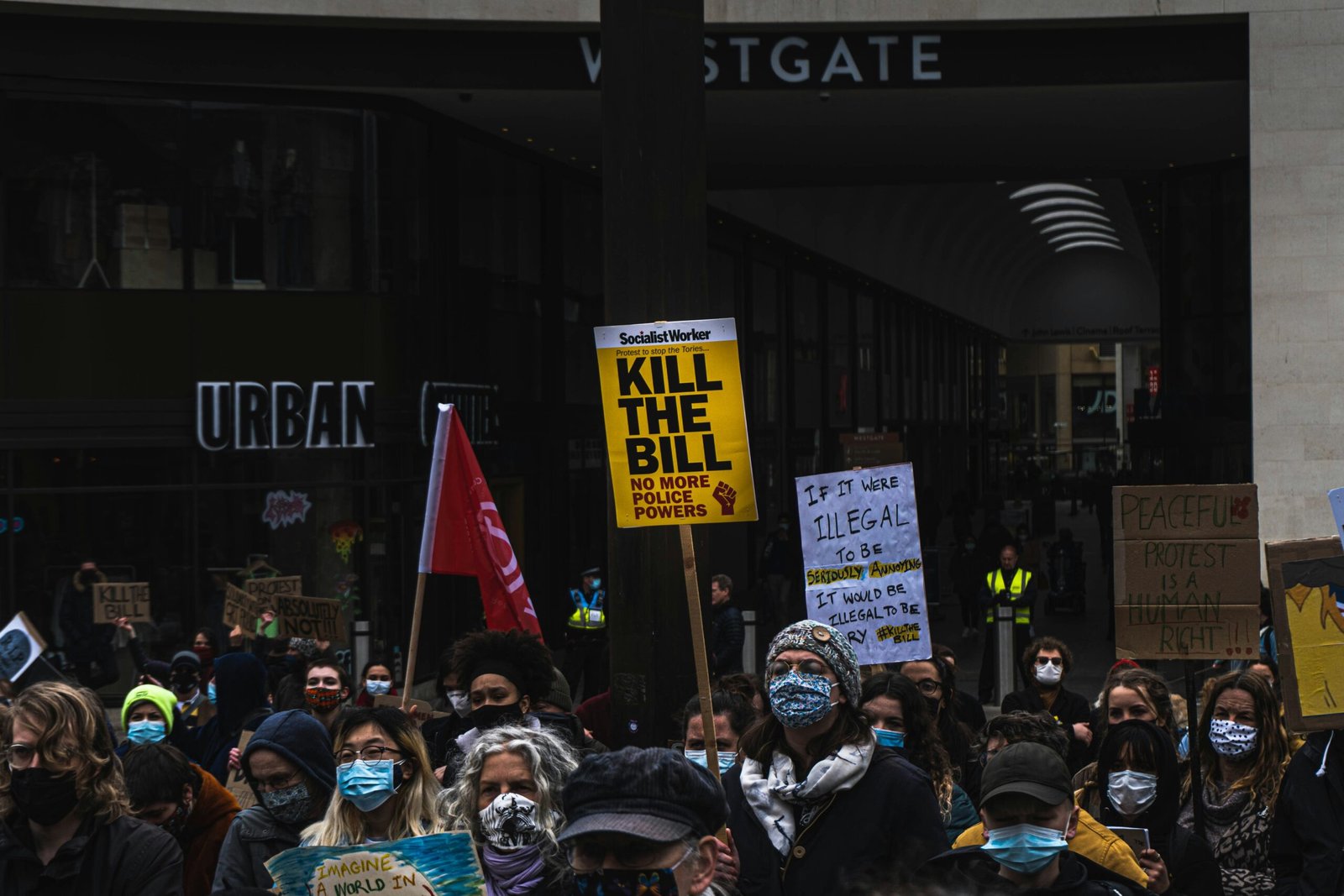
Reform is one of the hardest things governments do. It often involves changing systems that have existed for decades—subsidies, services, regulations, administrative processes, pricing structures, institutional mandates, or eligibility rules. Even when reforms are necessary and technically sound, they can trigger resistance: public anger, protests, political backlash, institutional pushback, or quiet non-compliance that undermines implementation.
When reform communication fails, governments often blame “politics,” “misinformation,” or “the public not understanding.” But in many cases, backlash is not inevitable. It is frequently the outcome of how reform is communicated: late-stage announcements, vague messaging, jargon-heavy explanations, inconsistent narratives, and failure to address legitimate fears and trade-offs.
This article explains why reforms provoke backlash, what governments commonly get wrong, and a practical framework for communicating change in a way that protects trust, reduces resistance, and improves the likelihood of successful implementation.
Why Well-Intentioned Reforms Often Trigger Backlash
Reforms change the distribution of certainty. Even if long-term benefits are real, people feel the immediate disruption first.
Backlash often occurs because reforms:
-
create perceived losers, even when they create broader societal gains
-
introduce uncertainty about costs, access, and eligibility
-
threaten routines, livelihoods, or identity-based expectations
-
expose trust deficits between the public and institutions
-
become symbols of wider grievances (corruption, inequality, exclusion)
Most importantly, reforms are not evaluated only on policy logic. They are evaluated through public perception of:
-
fairness
-
transparency
-
competence
-
empathy
-
accountability
That means reform communication is not a cosmetic task. It is a core reform tool—because public acceptance and compliance are part of implementation.
What Counts as “Reform” and Why Communication Matters
What is policy or institutional reform?
Reform typically refers to changes that alter:
-
how services are delivered (digitalization, consolidation, decentralization)
-
who receives benefits and under what conditions (targeting, eligibility, means testing)
-
how much something costs (pricing, subsidies, tariffs, taxes)
-
how a sector is regulated (licensing, standards, enforcement rules)
-
how government institutions operate (restructuring, performance systems, anti-corruption measures)
These changes affect daily life. People don’t experience “reform” as a policy paper. They experience it as:
-
higher or lower prices
-
longer or shorter processes
-
new documentation requirements
-
changes in access or entitlements
-
shifts in who gets what, and why
Why communication is inseparable from reform success
Reforms require:
-
understanding (people must know what is changing and why)
-
cooperation (citizens, businesses, civil servants must behave differently)
-
compliance (rules must be followed)
-
adaptation (systems and people must adjust over time)
If people feel surprised, excluded, or misled, they resist—even if the reform is objectively beneficial.
Communication shapes:
-
whether reform is seen as fair or predatory
-
whether uncertainty becomes rumor
-
whether criticism stays manageable or escalates
-
whether people cooperate or sabotage quietly
Common Myths That Lead Governments Into Backlash
Myth 1: “If the reform is good, people will accept it.”
Policy merit is not the same as public acceptance. People respond to:
-
perceived losses
-
fear of disruption
-
distrust of institutions
-
stories they hear from peers
A technically sound reform can fail if it is not understood, trusted, or operationally ready.
Myth 2: “Backlash is purely political.”
Some backlash is political. But much resistance is legitimate: confusion, fear, affordability concerns, equity concerns, or past experience with failed promises. Treating all resistance as “political noise” is a recipe for escalation.
Myth 3: “We should announce reforms only when everything is finalized.”
Late announcements create shock. Shock creates anger. Anger creates backlash.
Early communication—done well—reduces surprise, builds readiness, and allows issues to surface before they become crises.
Myth 4: “More information will reduce resistance.”
Volume is not clarity. A 20-page explainer doesn’t help if people don’t understand:
-
how it affects them personally
-
what they must do
-
why it is necessary
-
what protections exist
Most people want a small number of clear answers, not a policy lecture.
Why Governments Face Backlash When Communicating Reform
Backlash usually emerges from one or more of these failure points:
1) Surprise and shock
When reforms are announced abruptly, citizens feel:
-
excluded from decision-making
-
disrespected
-
threatened by uncertainty
Surprise creates a “threat response.” In that state, people seek narratives that justify resistance.
2) Poorly explained trade-offs
Reforms often involve trade-offs:
-
short-term pain for long-term gain
-
costs for some groups and benefits for others
-
transitional disruption during implementation
When governments avoid trade-offs or overpromise benefits, the public reads it as dishonesty. And once credibility is damaged, even accurate updates are doubted.
3) Institutional language and jargon
Reform communication often uses terms like:
-
“rationalization,” “restructuring,” “fiscal consolidation,” “optimization,” “enhancing efficiency”
These are not citizen-facing concepts. People want to know:
-
What changes for me?
-
What do I pay? What do I get?
-
What do I need to do?
-
When does this start?
4) Mismatch between message and lived reality
If government says:
-
“services will improve”
but people experience: -
system failures, long queues, broken portals, unclear processes
Then the reform narrative collapses. Implementation gaps become “proof” that the reform is a scam, even if the policy intent is genuine.
5) Low trust and historical context
In many settings, reform is filtered through history:
-
past reforms that harmed communities
-
inequality and perceived unfairness
-
corruption allegations
-
unmet promises
If institutions start from low trust, reform communication must do more than inform—it must rebuild credibility through transparency and results.
The Strategic Role of Reform Communication in Implementation
Reform communication should be treated as an implementation workstream that:
-
Builds shared understanding
-
why change is necessary
-
what happens if nothing changes
-
what the reform actually does
-
Reduces uncertainty and fear
-
clear timelines
-
transitional supports
-
safeguards
-
answers to likely questions
-
Enables cooperation
-
what citizens must do
-
what businesses must do
-
what civil servants must do
-
what frontline staff must explain
-
Protects social stability
-
preventing rumor escalation
-
reducing polarization
-
keeping criticism within manageable bounds
Reform communication is not a single announcement. It is a phased process that must evolve through preparation, launch, implementation, adjustment, and accountability.
Principles for Communicating Reform Without Backlash
Principle 1: Start communication early—before decisions are final
Early communication does not mean announcing every detail prematurely. It means:
-
signaling direction and intent
-
explaining the problem being solved
-
starting public listening early
-
preparing stakeholders for change
Why this reduces backlash:
-
it lowers shock
-
it increases perceived inclusion
-
it surfaces misunderstandings early
-
it creates psychological readiness
Principle 2: Be honest about trade-offs
Trust grows when governments acknowledge reality:
-
who will be affected
-
what changes may be difficult
-
what supports and safeguards exist
In reform communication, honesty is not a risk—it is a protective asset. People may disagree, but they are less likely to feel deceived.
Principle 3: Explain the “why” before the “what”
If you lead with mechanics (“new eligibility criteria”), people react emotionally without context.
Start with:
-
the problem (what is failing now)
-
the cost of inaction (what happens if nothing changes)
-
the goals (what the reform aims to fix)
-
the fairness logic (how burdens and benefits are allocated)
When people understand why, they are more likely to tolerate disruption.
Principle 4: Focus on citizen impact, not policy mechanics
Translate the reform into everyday consequences:
-
prices, processes, access, timelines
-
“what changes for households”
-
“what changes for businesses”
-
“what changes for public servants”
Then provide clear action steps.
Principle 5: Segment audiences and tailor messages
Different audiences interpret reform differently:
-
beneficiaries fear loss
-
middle groups fear uncertainty
-
opponents fear political consequences
-
implementers fear workload and blame
One message cannot address all concerns. Tailoring reduces misunderstanding and resistance.
Designing a Reform Communication Strategy That Works
Step 1: Map stakeholders and risk groups
Identify:
-
those most affected (financially, socially, administratively)
-
those most likely to oppose publicly
-
those who influence others (unions, professional bodies, civil society, business associations, religious/community leaders)
-
frontline implementers who will be asked questions
Also map:
-
common narratives you expect (fairness, corruption, competence, affordability)
-
“flashpoints” that could trigger escalation
Step 2: Conduct audience insight and listening
Don’t guess. Listen.
Use:
-
rapid surveys on concerns and misconceptions
-
focus groups to test narratives
-
stakeholder consultations
-
frontline staff feedback (they hear concerns first)
-
social listening to track rumor trends
Your goal is to understand:
-
what people fear
-
what they misunderstand
-
what they don’t trust
-
what would make the reform feel fairer and clearer
Step 3: Build a reform narrative framework
A strong reform narrative usually follows:
-
The problem (what is failing now)
-
The consequence of inaction (what gets worse if nothing changes)
-
The reform logic (how the reform solves the problem)
-
The fairness frame (why this is equitable / how burdens are shared)
-
Safeguards and protections (what prevents harm)
-
What changes for me (impact by segment)
-
What to do now (action steps)
This narrative becomes the backbone for speeches, media briefings, FAQs, social content, and community engagement.
Step 4: Choose credible messengers
Who delivers the message matters as much as the message itself.
A practical model:
-
political leadership communicates accountability, direction, and legitimacy
-
technical experts communicate evidence, details, and trade-offs
-
frontline and local authorities communicate practical steps and localized guidance
-
trusted intermediaries (professional bodies, community leaders) transfer credibility in low-trust settings
Avoid messenger confusion: contradictory spokespeople produce backlash even when the policy is sound.
Step 5: Phase communication over time
Reform communication works best in phases:
Phase 1: Pre-announcement preparation
-
explain the problem and need for change
-
begin stakeholder engagement
-
test messages and FAQs
-
prepare systems and frontline teams
Phase 2: Announcement
-
clear narrative and impact explanation
-
citizen-focused messaging
-
transparent trade-offs
-
clear pathways to support and information
Phase 3: Implementation
-
continuous updates, guidance, clarifications
-
address misinformation fast
-
show early wins and practical improvements
-
admit and fix issues quickly
Phase 4: Adjustment and accountability
-
communicate refinements and learning
-
publish results where possible
-
reinforce long-term benefits and fairness outcomes
Channels and Engagement Approaches That Reduce Backlash
1) Media briefings and explainers
Use media proactively:
-
brief editors and senior journalists early
-
provide clear fact sheets and visuals
-
offer technical spokespeople for clarity
-
prevent misinformation by making accurate information easy to publish
2) Government-owned digital hubs
Create a “single source of truth”:
-
plain-language explainer
-
eligibility and impact calculators if relevant
-
FAQs and myth-busting
-
timelines and what-to-do guides
-
helpline/contact information
When citizens can verify details easily, rumors weaken.
3) Community dialogues and stakeholder forums
If reform affects livelihoods or identity-sensitive issues, dialogue is essential:
-
town halls, local forums, sector consultations
-
structured listening, not performative events
-
feedback loops and visible responses
4) Engage intermediaries and institutions of trust
Partner with:
-
professional associations
-
unions and worker bodies
-
civil society
-
religious/community leaders
-
schools, clinics, local councils
Trusted intermediaries can reduce fear and increase comprehension.
5) Frontline staff as communicators
Frontline staff are the “living interface” of reform.
Equip them with:
-
scripts and FAQs
-
escalation pathways for unclear cases
-
training in empathy and clarity
-
consistent language and definitions
A reform fails when frontline experience contradicts official messaging.
Managing Misinformation and Opposition During Reform
Backlash is often accelerated by misinformation. But governments must respond carefully.
Anticipate misinformation narratives
Common reform rumors include:
-
“this is to benefit elites”
-
“this is foreign-imposed”
-
“this is a hidden tax”
-
“this will remove your entitlements”
-
“this is privatization by stealth”
Pre-empt these by:
-
addressing trade-offs transparently
-
publishing clear safeguards
-
using credible third-party validators where appropriate
-
clarifying what the reform is and is not
Respond without amplifying
Correct misinformation by:
-
repeating the truth more than the false claim
-
using simple language
-
issuing quick clarifications
-
directing audiences to the source-of-truth hub
Distinguish between legitimate concern and bad-faith opposition
Not all opposition should be “debated.”
But legitimate concerns should be engaged respectfully—because dismissiveness fuels backlash.
Communicating Reform in Low-Trust and High-Risk Contexts
In low-trust environments, reform communication must work harder:
-
Demonstrate transparency quickly. Explain the problem, trade-offs, and safeguards.
-
Use local credibility. Trusted messengers matter more than polished creative.
-
Avoid scolding language. People resist when they feel blamed.
-
Show visible improvements early. Proof beats persuasion.
-
Maintain neutrality and stability. Avoid language that polarizes or frames citizens as enemies.
In high-risk settings, reforms can become a lightning rod for broader grievances. Communication must reduce escalation and preserve social cohesion.
Measuring Reform Communication Effectiveness
Reform communication must be measurable for credibility and adjustment.
Track indicators such as:
-
public understanding (quick surveys, comprehension checks)
-
sentiment and trust signals (media tone, social listening, stakeholder feedback)
-
misinformation trends (rumor volume and spread)
-
service and compliance outcomes (registrations, adoption rates, process completion)
-
frontline feedback (common questions, bottlenecks, conflict points)
Measurement should feed action:
-
update FAQs
-
adjust messaging
-
fix operational pain points
-
refine timelines and guidance
Building Institutional Capacity for Reform Communication
Long-term success requires embedding communications into reform planning:
-
communications included in reform design, not added at the end
-
cross-ministry coordination structures
-
shared message frameworks
-
crisis-ready rumor response protocols
-
training for officials and spokespeople
-
institutional memory (what worked, what failed, why)
External partners can help scale strategy, research, creative, channel execution, and measurement—but sustainable success depends on internal systems that endure beyond a single reform.
Conclusion: Reform Succeeds When People Understand It
Public backlash is often framed as a political inevitability. But in many cases, it is a communication failure: surprise announcements, unclear trade-offs, jargon, inconsistent messaging, and lack of empathy for real public concerns.
Governments can reduce backlash and improve reform outcomes by:
-
communicating early, not late
-
explaining the “why” before the mechanics
-
being honest about trade-offs
-
tailoring messages to affected groups
-
engaging trusted intermediaries
-
aligning communication with operational readiness
-
measuring understanding and sentiment, not just reach
Reform succeeds when people understand it—and when they trust that it is being implemented fairly, competently, and in the public interest.